Image Image

Joe Muggs and Brian David Stevens documented it in Bass, Mids, Tops. Not just the music - the entire infrastructure. Building your own speakers. Wiring your own amps. Finding a space nobody was using and turning it into something.

Sound system culture is the original DIY. N
o venue, no promoter, no permission. Just frequencies and intent.

That attitude runs through everything BOH makes.
You don't wait for someone to give you a platform.
You build your own stack and turn it on.
We Seek Lights To Illuminate Hope

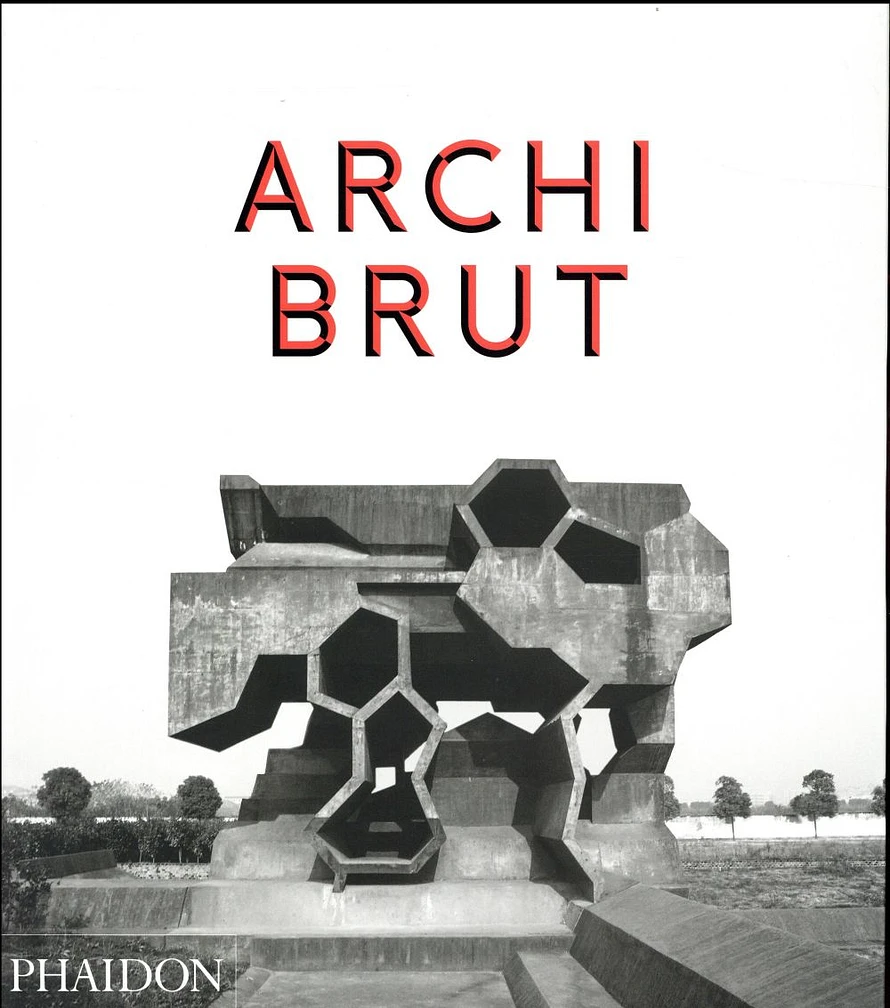
The BOH visual language didn't come from nowhere. Books like Peter Chadwick's Archi Brut and This Brutal World mapped the grammar — raw concrete, repetitive geometry, the beauty in function. Brutal North, Brutalist Britain, the Phaidon monographs. These aren't coffee table decorations. They're blueprints.

The same grid systems and modular logic that shaped post-war housing estates shape every BOH design. Tower blocks as typography. Walkways as layout grids. If you've never sat with one of these books and let the shapes sink in, start. The architecture is the artwork.

→ Stories From The Heights


Image

Underground culture has always been about finding your people. A nod across the dancefloor. A shared record collection. The friend-of-a-friend who knew about the warehouse party in zone 3.

Connection isn’t built through algorithms. It’s built through proximity, shared taste, and showing up. The rave was the meeting point. The record shop was the meeting point. The skatepark was the meeting point. You didn’t need to explain yourself - the culture was the common language.

The Linked design is about that. Two hands reaching across the divide. A red back print on heavyweight cotton. It’s the simplest message in the collection: we’re connected. Through the music, through the concrete, through the culture.

Linked Tee

Image Image

Before the clubs. Before the festivals. Before the streaming platforms. There was the soundsystem.

A stack of speakers, a generator, a crew, and a location nobody was supposed to be at. That was the formula. Jamaican sound culture landed in the UK in the 1950s and 60s, and by the time it merged with acid house, jungle, and garage in the late 80s and 90s, it had already built an entire infrastructure — outside the music industry, outside permission, outside the law.

Soundsystem culture was never just about music. It was about space. About claiming somewhere to exist when the city didn’t build one for you. A warehouse, an underpass, an empty field. The rig turned dead space into a living room.

That energy — building something from nothing, creating culture from concrete — is the foundation Beacon of Hope is built on. We seek lights to illuminate hope. We’re made of concrete wonders.

The “We Seek Lights To Illuminate Hope” tee carries that energy. Rave flyer graphics, a corridor of light, a figure walking through. Red and lavender on Ice Grey. N4.

We Seek Lights To Illuminate Hope